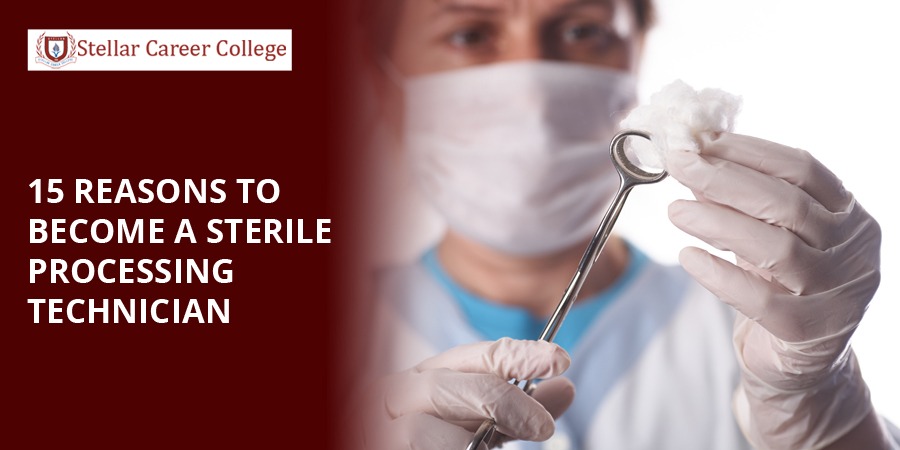
15 Reasons to Become a Sterile Processing Technician
Sterile Processing Technicians are often called the unsung heroes of healthcare. While doctors and nurses are on the frontlines, these professionals work behind the scenes to make sure that every instrument is disinfected, every tool is ready, and every procedure is safe. Their role ensures both patient safety and smooth hospital operations.
If you are looking for a career that is meaningful, stable, and growing in demand, here are 15 reasons to become a Sterile Processing Technician:
1. Essential Duties That Keep Hospitals Running
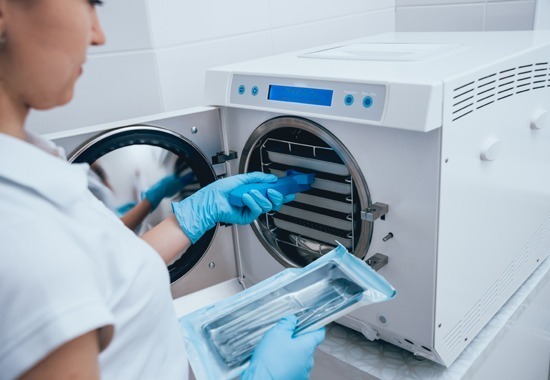
Sterile Processing Technicians disinfect and inspect surgical tools. In addition, they prepare supplies and ensure equipment is safe. Their attention to detail directly impacts patient safety and hospital efficiency.
2. Diverse Job Opportunities
From hospitals and outpatient centers to dental clinics and physician offices, Sterile Processing Technicians are in demand across a variety of healthcare settings.
3. Problem-Solving Role
This job requires strong critical-thinking skills. Technicians must quickly solve issues such as equipment shortages or contamination risks without disrupting patient care.
4. Indirectly Saving Lives
Even though they do not treat patients directly, their work ensures clean, sterile environments. This contributes to faster recovery and fewer infections.
5. Affordable Education Path
Certificate programs are relatively inexpensive compared to full medical degrees. Therefore, this makes it a cost-effective way to enter healthcare without taking on massive student debt.
6. Short Training, Long-Term Benefits
Most sterile processing programs last only 4 to 9 months. As a result, students can enter the workforce quickly and start earning sooner.
7. Hands-On Training Experience
Training combines classroom learning with real-world internships. Consequently, students gain confidence and skills needed to succeed immediately on the job.
8. Active and Engaging Work
This role is not about sitting behind a desk all day. Technicians are constantly moving, inspecting, sterilizing, and delivering tools where needed.
9. Flexible Work Hours
Many facilities offer flexible scheduling. Technicians may choose shifts during evenings, weekends, or holidays, making it easier to balance work and personal life.
10. Critical Role in Infection Control
Institutions rely heavily on Sterile Processing Technicians. Proper sterilization prevents infections, while mistakes can put entire departments at risk.
11. Strong Job Outlook
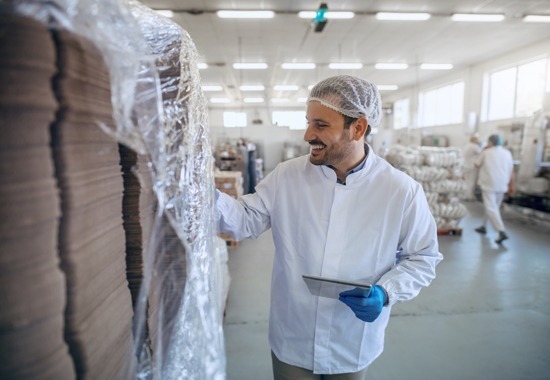
According to the Bureau of Labor Statistics, this field is projected to grow by 15% by 2024. With allied health professionals making up 60% of healthcare staff, opportunities are abundant.
12. Broad Healthcare Knowledge
Technicians often move between operating rooms, labs, and storage areas. This exposure provides knowledge across different areas of healthcare that many roles do not offer.
13. Independence at Work
Sterile Processing Technicians manage many tasks on their own. This independence builds confidence and sharpens responsibility.
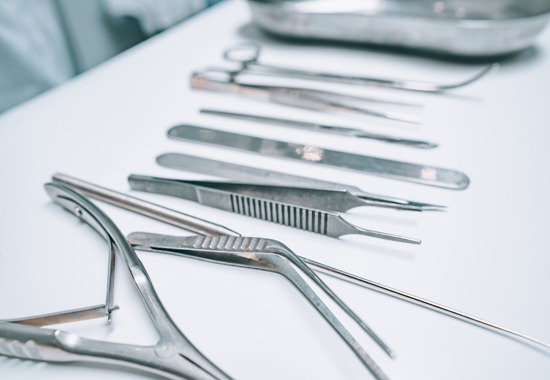
14. Expertise with Surgical Tools
Over time, technicians become highly familiar with a wide range of instruments. Their expertise helps doctors and nurses perform procedures smoothly.
15. High Demand Worldwide
Once certified, job opportunities open not only locally but also nationally and internationally. This career can even allow you to work abroad.
The Future Is Bright
Choosing to become a Sterile Processing Technician means stepping into a career that offers stability, flexibility, and purpose. With short, affordable training and high demand in the healthcare industry, this profession can be your gateway to a rewarding future.
👉 Ready to take the next step? Enroll today at Stellar Career College and begin your journey toward becoming a skilled Sterile Processing Technician.