
Why Nurses Are Important in Healthcare
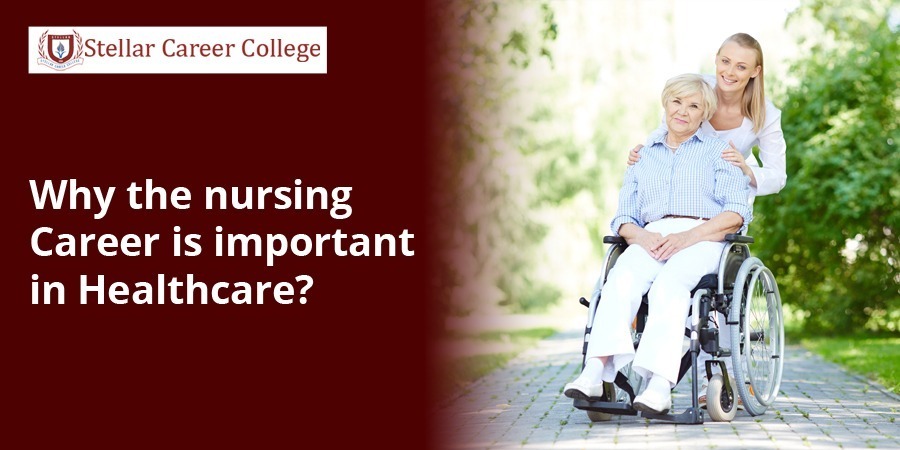
Nurses are often described as the heart of healthcare, and for good reason. They are the first to interact with patients, the last to provide support at discharge, and the ones who stay consistently involved throughout treatment. Moreover, their role goes far beyond basic care—they provide emotional strength, clinical expertise, and critical decision-making support that keeps healthcare systems functioning smoothly.
In today’s rapidly evolving healthcare environment, nurses play a more essential role than ever. From managing complex patient needs to assisting physicians and educating families, their contribution is irreplaceable.
⭐ Why Nurses Are Important in Healthcare
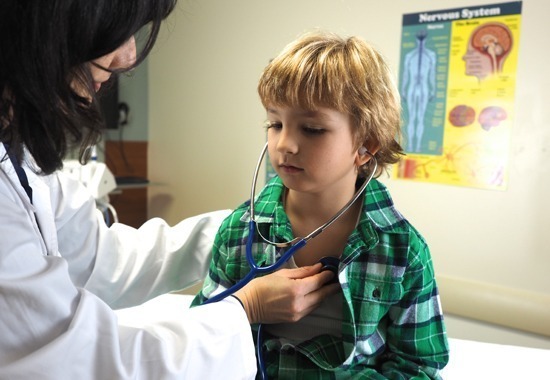
Nurses ensure patient comfort during medical examinations, assist in procedures, and continuously monitor patient health. Additionally, they offer emotional reassurance, which becomes especially crucial during emergencies or high-stress situations.
Unlike many other professions, nursing requires a unique blend of compassion, resilience, and technical skill. Although healthcare teams include many professionals, nurses remain the backbone—working long shifts, managing treatments, documenting patient progress, and providing life-saving interventions when needed.
⭐ Why Choose a Career in Nursing? (High-Demand Profession)
The demand for nurses continues to increase across the U.S. According to the U.S. Bureau of Labor Statistics, employment for nurses is projected to grow significantly over the next decade.
Furthermore, nursing offers exceptional job stability, competitive salary potential, and career mobility. Nurses can work in:
- Hospitals
- Clinics
- Home health services
- Rehabilitation centers
- Schools
- Military healthcare
- Long-term care facilities
Because of the nationwide shortage, new graduates often secure employment quickly and enjoy multiple career pathways from day one.
⭐ Is Nursing the Right Career for You?
Nursing is more than a job—it’s a calling. If you enjoy helping others, solving problems, working in fast-paced environments, and staying calm under pressure, then nursing may be the perfect fit.
Additionally, nursing blends compassionate care with science, critical thinking, and real-world impact. Those who thrive in this field often value teamwork, empathy, and lifelong learning.

⭐ Types of Nurses in the U.S
Understanding the different nursing roles helps students choose the right educational path.
1. Registered Nurses (RN)
Education Requirements:
- Associate Degree in Nursing (ADN) or
- Hospital-based diploma
- Pass the NCLEX-RN exam
Responsibilities:
- Assess patient conditions
- Administer medications
- Assist in diagnostic procedures
- Provide patient education
Work Settings: Hospitals, clinics, schools, military services, outpatient centers, and home health environments.
2. Advanced Practice Registered Nurses (APRN)
APRNs hold at least a Master’s degree and may work independently in many states.
Key Responsibilities:
- Diagnose and treat illnesses
- Prescribe medications
- Perform advanced procedures
Work Settings: Hospitals, specialized clinics, private practices.
3. Licensed Practical Nurses (LPN) / Licensed Vocational Nurses (LVN)
One of the most popular career entry points for new students.
Education Requirements:
- Completion of an accredited Practical Nursing program
- Pass the NCLEX-PN licensing exam
📌 Explore More at : Nursing Program
Responsibilities:
- Monitor vital signs
- Assist with daily patient care
- Prepare patients for procedures
- Provide wound care
- In some states, administer medications
Work Settings: Clinics, nursing homes, rehab centers, home health agencies, schools.
4. Travel Nurses
Travel nurses take temporary assignments in different states to fill urgent staffing needs.
Responsibilities:
- Provide patient care
- Support hospitals during shortages
- Adapt quickly to new environments
Work Settings: Hospitals, surgical units, ER departments, and home care settings.
⭐ Nursing Education & Training: What Students Need to Know
Nursing programs combine classroom education with hands-on clinical experience. Consequently, students learn essential skills such as:
- Patient assessment
- Medication administration
- Emergency response
- Technical procedures
- Communication skills
- Ethical decision-making
Through lab practice and clinical rotations, students graduate confident and ready for real-world healthcare settings.
⭐ Why Choose Stellar Career College for Nursing?
If you want a career in nursing, Stellar Career College Chicago provides structured, career-focused training with:
✔ Experienced instructors
✔ Hands-on labs
✔ Supportive learning environment
✔ Career placement assistance
✔ Programs designed around employer needs
👉 Explore All Healthcare Programs
👉 Practical Nursing (PN) Program – Chicago
Moreover, SCC ensures that students gain the expertise required to pass licensing exams and transition smoothly into the workforce.
⭐ Get Admission Now (Strong CTA)
If you are committed to building a successful future in healthcare, then this is the perfect time to begin your nursing journey. Enroll at Stellar Career College, an institution dedicated to your academic, professional, and personal success.
With proper training, dedication, and guidance, you can secure a rewarding nursing career that truly makes a difference.